





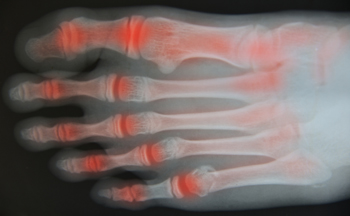
Inflammatory arthritis can affect the feet early in the course of disease, causing pain, swelling, stiffness, and difficulty with walking. Unlike wear-and-tear arthritis, this type of joint inflammation happens when the immune system mistakenly attacks healthy tissue. Conditions such as rheumatoid arthritis, psoriatic arthritis, and other autoimmune disorders may involve the feet and ankles, sometimes affecting multiple joints at once. People may notice morning stiffness, tenderness, warmth, or changes in foot shape, over time. Because the feet contain many small joints, inflammation can significantly affect movement and daily comfort. A podiatrist can help identify areas of joint involvement, evaluate walking mechanics, recommend supportive treatment, and work alongside other medical providers as part of overall care. Early attention may help reduce discomfort and limit long-term joint damage. If you have ongoing foot pain, swelling, and stiffness, it is suggested that you visit a podiatrist for a proper diagnosis and effective relief options.
Arthritis can be a difficult condition to live with. If you are seeking treatment, contact one of our podiatrists from Active Foot and Ankle Care, LLC. Our doctors can provide the care you need to keep you pain-free and on your feet.
Arthritic Foot Care
Arthritis is a joint disorder that involves the inflammation of different joints in your body, such as those in your feet. Arthritis is often caused by a degenerative joint disease and causes mild to severe pain in all affected areas. In addition to this, swelling and stiffness in the affected joints can also be a common symptom of arthritis.
In many cases, wearing ill-fitting shoes can worsen the effects and pain of arthritis. Wearing shoes that have a lower heel and extra room can help your feet feel more comfortable. In cases of rheumatoid arthritis, the arch in your foot may become problematic. Buying shoes with proper arch support that contour to your feet can help immensely.
Alleviating Arthritic Pain
It is best to see your doctor for the treatment that is right for your needs and symptoms. Conditions vary, and a podiatrist can help you determine the right method of care for your feet.
If you have any questions please feel free to contact our offices located in Fair Lawn, Riverdale, and Englewood, NJ . We offer the newest diagnostic tools and technology to treat your foot and ankle needs.

Embrace the great outdoors with confidence and comfort! Whether you're hiking, jogging, or exploring nature, Custom Orthotics are your perfect companion. Tailored to your foot's unique needs, they provide stability on uneven terrains and cushioning for those longer adventures. Don't let foot discomfort limit your outdoor experiences. With Custom Orthotics, every step is supported and secure. Call today to schedule an appointment.
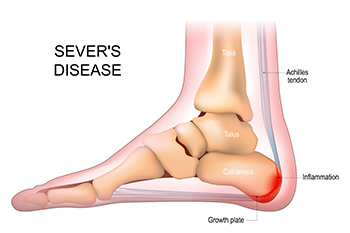
Sever’s disease is a heel condition that affects active growing children, most often between the ages of nine and 14. It develops in the growth plate of the heel, which is a softer area of bone that has not yet hardened. During growth spurts, bones can lengthen faster than muscles and tendons. This can cause the calf muscle and Achilles tendon to tighten and pull on the back of the child’s heel. Repeated stress from running and jumping can irritate this area and lead to pain and swelling. Symptoms include heel pain during activity, limping, or discomfort when rising onto the toes. A podiatrist can examine the foot, assess tendon tightness, and determine the exact cause of the pain. Imaging may be used to rule out other problems. If your active child complains of heel pain, it is suggested that you schedule an appointment with a podiatrist for a diagnosis and appropriate relief tips.
Sever's disease often occurs in children and teens. If your child is experiencing foot or ankle pain, see one of our podiatrists from Active Foot and Ankle Care, LLC. Our doctors can treat your child’s foot and ankle needs.
Sever’s Disease
Sever’s disease is also known as calcaneal apophysitis, which is a medical condition that causes heel pain I none or both feet. The disease is known to affect children between the ages of 8 and 14.
Sever’s disease occurs when part of the child’s heel known as the growth plate (calcaneal epiphysis) is attached to the Achilles tendon. This area can suffer injury when the muscles and tendons of the growing foot do not keep pace with bone growth. Therefore, the constant pain which one experiences at the back of the heel will make the child unable to put any weight on the heel. The child is then forced to walk on their toes.
Symptoms
Acute pain – Pain associated with Sever’s disease is usually felt in the heel when the child engages in physical activity such as walking, jumping and or running.
Highly active – Children who are very active are among the most susceptible in experiencing Sever’s disease, because of the stress and tension placed on their feet.
If you have any questions, please feel free to contact our offices located in Fair Lawn, Riverdale, and Englewood, NJ . We offer the newest diagnostic and treatment technologies for all your foot care needs.

Do you work on your feet all day and find your feet in pain? Don't go to work in pain each day. Your foot pain can be treated, and we can help.
